
Minimal Wabi-Sabi Retreat
The Japanese philosophy of Wabi-Sabi celebrates imperfection, simplicity, and the beauty of natural aging. In interior design, this translates to spaces that feel peaceful, organic, and deeply authentic. Plants play a central role in this aesthetic because they naturally embody growth, change, and impermanence. A Wabi-Sabi home doesn’t strive for perfection—it embraces uneven textures, asymmetry, and a sense of calm created through thoughtful placement. With greenery, this approach creates a retreat where every leaf, branch, or bloom feels intentional yet unforced.
The Beauty of Imperfection
Wabi-Sabi thrives on the idea that beauty is found in flaws and irregularities. When it comes to plants, this could mean a bonsai tree with a slightly crooked trunk, a wild fern spilling over its pot, or even a dried branch displayed in a ceramic vase. Instead of discarding leaves with imperfections, a Wabi-Sabi design embraces them as part of the natural cycle. These “flaws” remind us that nothing in life is permanent, and that acceptance brings serenity to the home.
Choosing the Right Plants
Plants in a Wabi-Sabi retreat are not flashy or overly ornamental—they are subtle, grounding, and deeply connected to nature. Bamboo palms, bonsai trees, ferns, and even simple grasses work beautifully in this style. A single branch of cherry blossoms in spring or dried pampas grass in autumn can serve as seasonal décor. The goal is not to overwhelm the space with greenery but to choose a few plants that embody grace, patience, and natural imperfection.
Earthy Containers & Textures
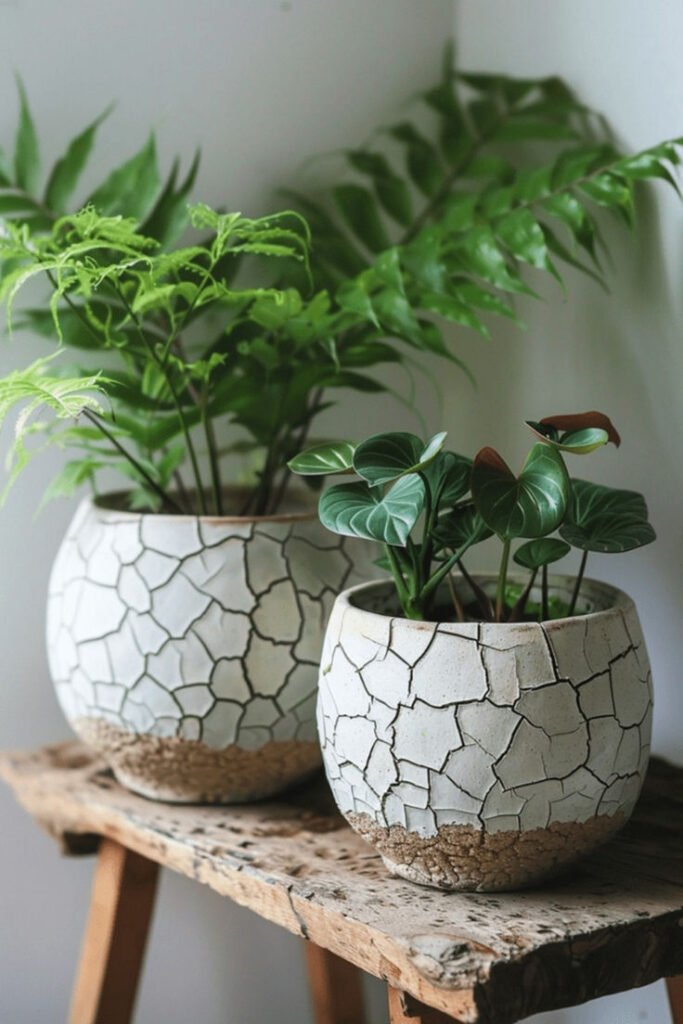
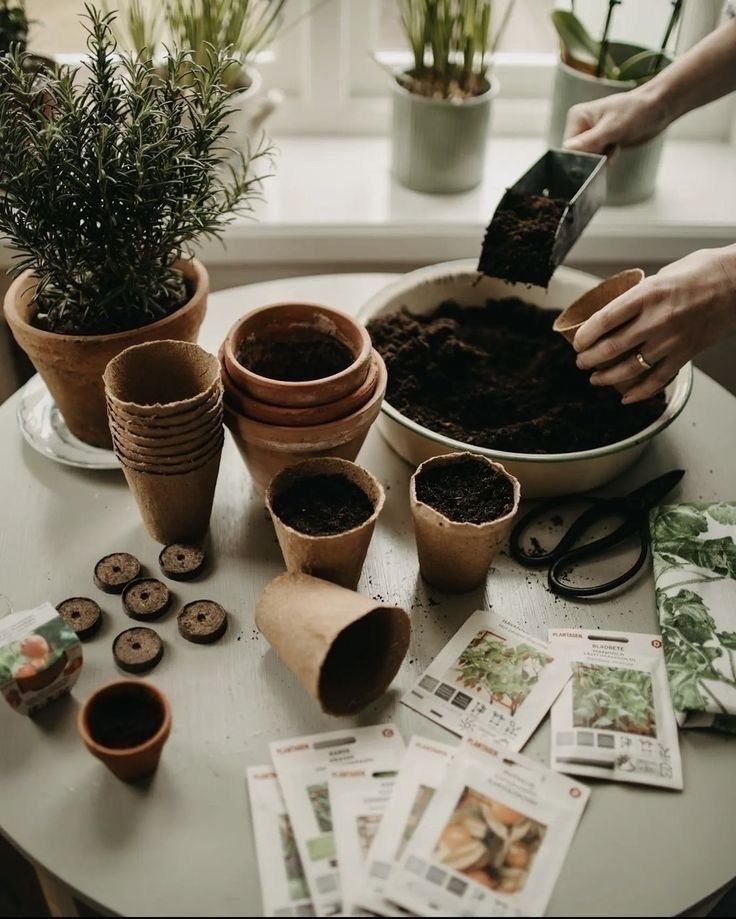
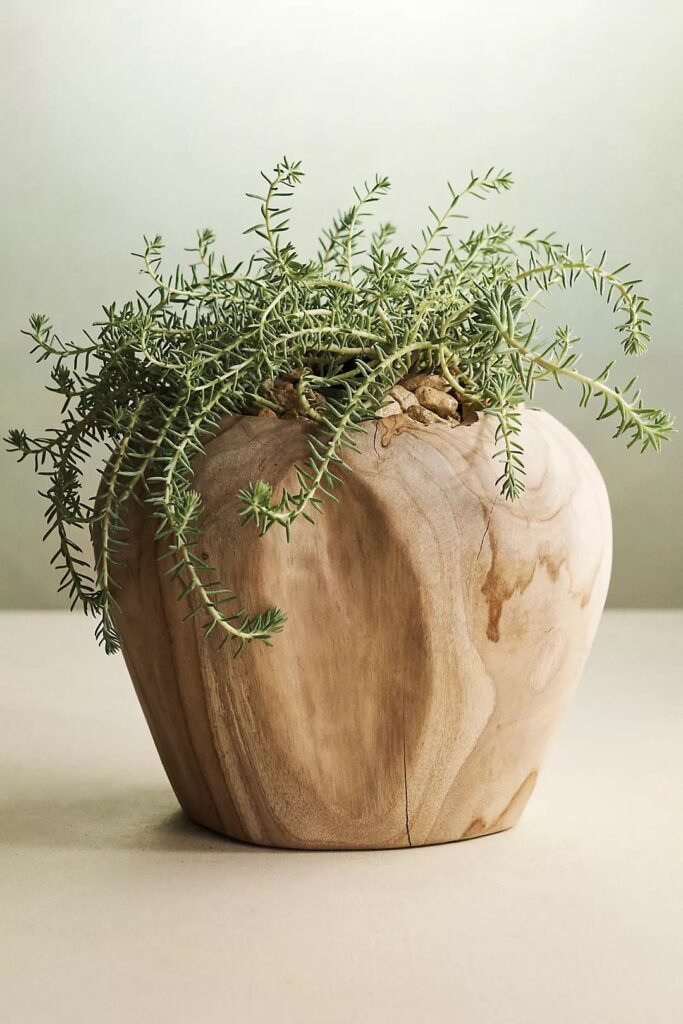
In Wabi-Sabi interiors, planters and containers are just as important as the plants themselves. Rough clay pots, handmade ceramics, and unpolished stone planters reflect the philosophy’s appreciation for craftsmanship and authenticity. Unlike glossy or machine-made finishes, these containers show marks of age and use, which only add to their charm. Paired with plants, they create a grounding effect, reminding us of our connection to the earth. Even a cracked pot can feel beautiful in a Wabi-Sabi home, symbolizing resilience and time’s gentle touch.
Minimalism with Warmth
Unlike sterile minimalism, Wabi-Sabi design introduces warmth through natural materials and greenery. Bare wooden floors, linen fabrics, and neutral walls form the backdrop, while plants soften the austerity with their organic shapes. A single bonsai on a low table or a tall bamboo palm in the corner makes a stronger statement than dozens of plants scattered across the room. Every element has space to breathe, reinforcing the philosophy that less is more, and silence can be as powerful as sound.