Choosing the Right Plant
Plants create their own food through photosynthesis, using sunlight or artificial light as an energy source. While all plants need light to survive, some species require more than others. Understanding a plant’s specific lighting needs will help keep it healthy and improve its long-term survival.
Indoor plant lighting generally falls into three main categories:
Bright light: Direct sunlight for over 5 hours a day. Plants in this category do best with at least 5–6 hours of strong light, typically from west- or south-facing windows within 6 feet of the glass.
Medium light: Direct sun for under 5 hours daily, often from east- or southeast-facing windows, up to 10–15 feet away.
Low light: Less than 3 hours of direct sunlight, usually from north-facing windows or shaded areas.
If your space doesn’t meet a plant’s light requirements, you can use supplemental grow lights. When in doubt about whether a plant prefers direct or indirect light, opt for bright, indirect light—especially for young leaves, which may be sensitive to intense sunlight.
In our listings, we’ve included symbols to indicate plant preferences:
♡ Non-toxic to pets or humans
☼ Can tolerate direct sunlight (if not marked, indirect light is best)
Some plants appear in more than one lighting category, which shows their adaptability. These versatile types are generally easier to care for and great for beginners.
Bright Light
If you have a location that receives plenty of light, place these plants within 6 feet of a sunny window. Most of them can handle direct sunlight unless otherwise noted.
Alocasia Polly
Aloe Vera ☼
Aglaonema (Pink or Green Varieties – Chinese Evergreen) ☼
Bird of Paradise – White (Strelitzia nicolai)
Burro’s Tail ☼
Cactus ☼
Calathea Freddie ♡ ☼☼
Calathea Rattlesnake (Calathea lancifolia) ♡ ☼☼
Cast Iron Plant ♡
Christmas Cactus ♡
Croton Plant
Dracaena
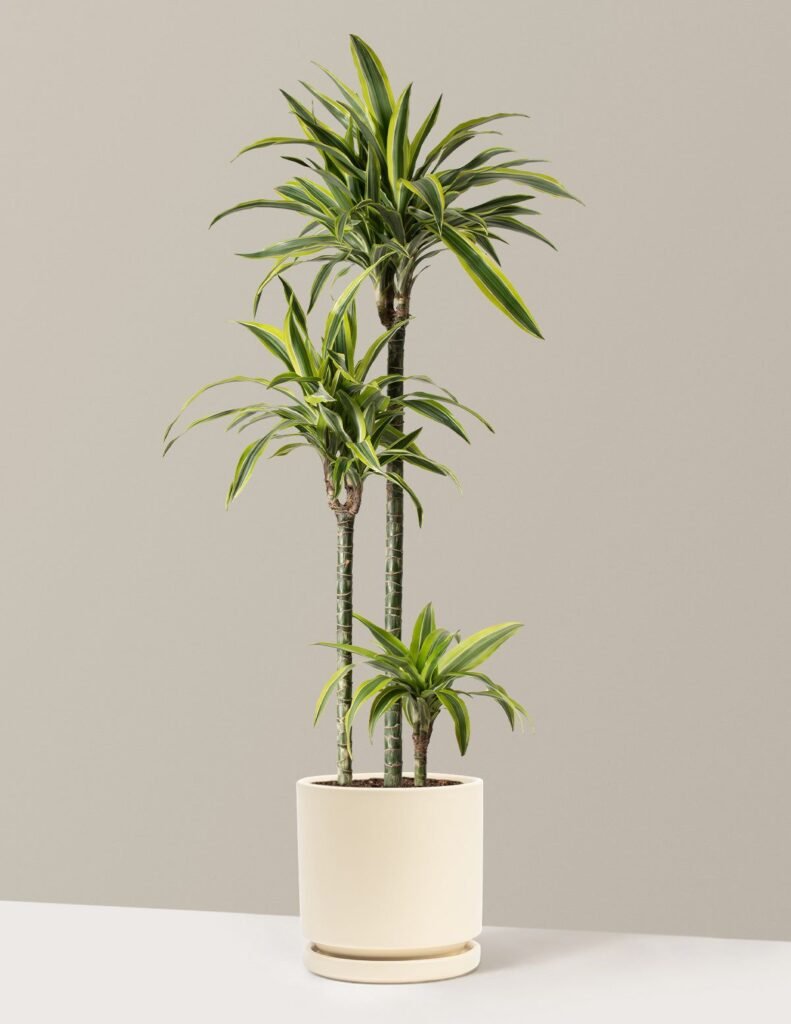
Dracaena Limelight
Fern – Blue Star ♡
Ficus Benjamina
Ficus Fiddle Leaf Fig (Ficus lyrata) ☼
Hoya ♡
Hoya Kerri ♡ ☼
Lipstick Plant ♡
Jasmine ♡ ☼
Peperomia Obtusifolia ♡
Peperomia Watermelon (Peperomia argyreia) ♡
Pilea Peperomioides (Chinese Money Plant) ♡
Philodendron Micans
Philodendron Rhaphidophora Tetrasperma
Yucca Plant
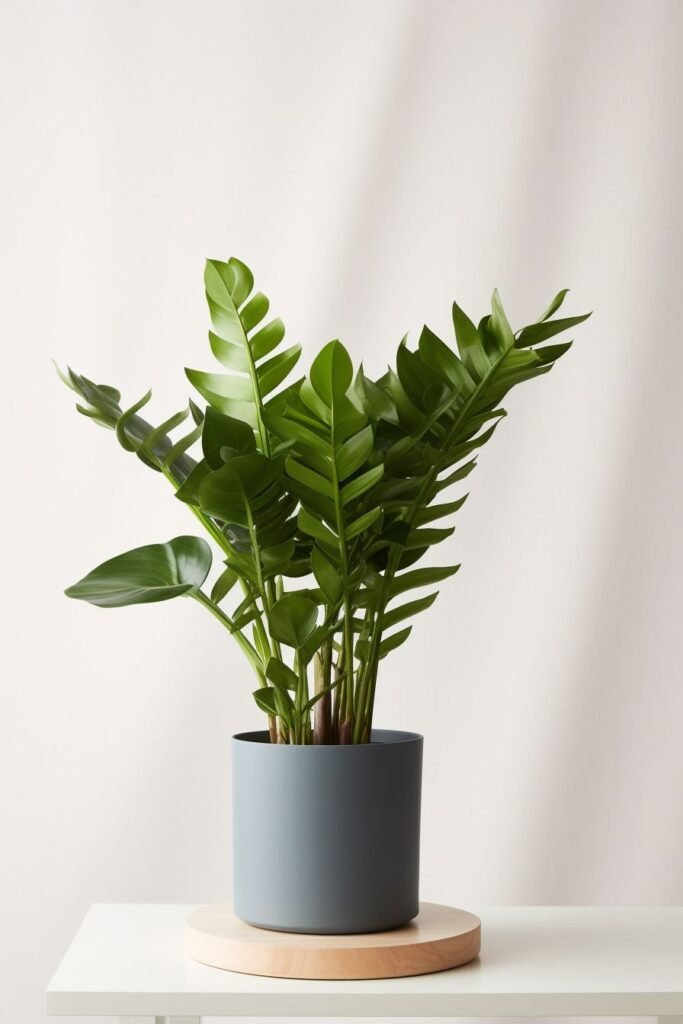
Zamioculcas zamiifolia (ZZ Plant)
Legend:
♡ = Non-toxic to pets or humans
☼ = Can tolerate direct sunlight (if not marked, prefers indirect light)
Medium Light
Usually east or south-east facing windows, up to 10-15 feet away
African violet ♡
Aglaonema pink or green varieties (Chinese evergreen)
Begonia
Bromeliad tillandsia cyan (pink quill) ♡
Calathea ♡
Calathea freddie ♡
Calathea rattlesnake (lancifolia) ♡
Cast iron ♡
Dracaena
Dracaena janet craig
Fern bird’s nest ♡
Fern blue star ♡
Fern boston ♡
Fern staghorn ♡
Ficus benjamina
Ficus lyrata bambino
Hoya ♡
Hoya kerri ♡
Jasmine ♡
Lipstick plant ♡
Lucky bamboo ♡
Monstera adansonii
Monstera deliciosa
Palm neanthebella ♡
Peperomia
Philodendron micans
Philodendron raphidorphora tetrasperma
Pilea peperomiodes (Chinese money plant)
Philodendron cordatum lighter green varieties (lemon lime, neon, etc)
Pothos marble queen
Pothos neon
Pothos satin
Yucca plant
Low Light
These indoor plants are the really low light performers. They can survive in areas with no windows (like a bathroom) and soft lighting. However, not all plants will survive with no lights for a long period of time and eventually the plant will suffer. If you have a space with no windows, provide some supplemental grow lights
Aglaonema green varieties (Chinese evergreen)
Bromeliad
Cast iron ♡
Dracaena
Dracaena janet craig
Fern bird’s nest ♡
Fern boston ♡
Ivy english
Lucky bamboo ♡
Maranta (prayer plant)
Peace lily
Peperomia
Philodendron
Pothos
Sansevieria (snake plant)
Spider plant ♡
Syngonium podophyllum (arrowhead vine)
Yucca plant
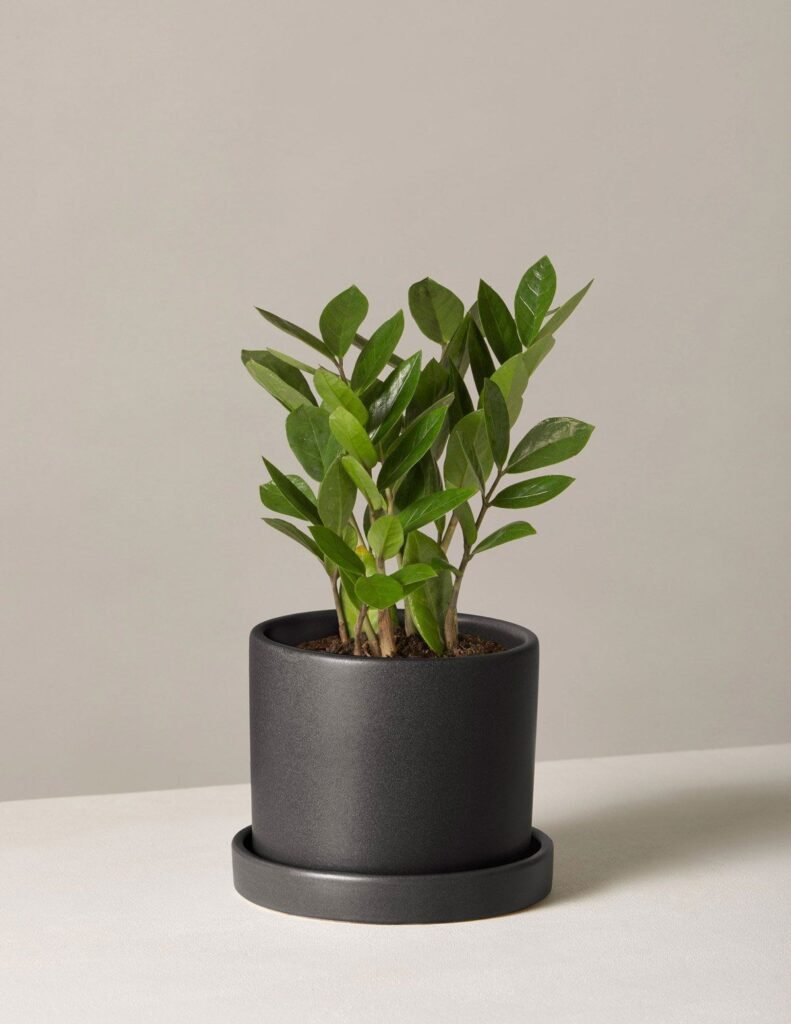
Zamioculcas zamiifolia (zz plant)