Beginner Plants
So, you’ve caught the plant bug—or maybe you’re rekindling your love for greenery after some time away—and now you’re wondering where to begin. Which plant should you bring home first? Why do they seem so lush in nature but struggle in my living room? You’re not alone in asking these questions. Here’s the truth: there isn’t one “perfect” beginner plant. Instead, there are a variety of easy-care options that can set you up for success, depending on your personal care style, home environment, and daily routine. The key is finding plants that match your lifestyle, so both you and your leafy companions can thrive.
I often hear people say things like, “I can’t even keep a cactus alive!” or “I have the worst luck with plants.” But I’m not convinced that means they can’t grow them—it usually just means they haven’t matched the right plant to their space or care style. Some of us are hands-on, checking every new leaf and spotting the slightest change the moment it happens. Others take a more relaxed approach, stepping in only when a plant is visibly struggling. And some fall somewhere in between. Just like people, plants have unique needs and personalities—some can thrive in almost any conditions, while others are a little more particular. The key is learning from each experience and accepting that it’s okay if you’re not ready for certain plants just yet.
While nothing says your first plant can’t be your dream plant, it’s worth considering a few beginner-friendly options before skipping over the tried-and-true choices. I’ve put together a list of both classic and more unusual “starter” plants, along with the type of plant parenting they prefer. And if you’re looking to level up your skills, The New Plant Parent by Darryl Cheng is an excellent guide (and yes, we have it in store!).
Are You an Under-Waterer or an Over-Waterer?
If your plant care style leans toward “out of sight, out of mind,” or if your schedule keeps you away from home often, you might be an under-waterer. These plants are perfect for a low-maintenance routine—they can handle longer stretches between waterings (anywhere from weekly to monthly) and still look great.
Best Plants for the Under-Waterer:
Sansevieria (Snake Plant) – Nearly indestructible and thrives on neglect.
ZZ Plant (Zamioculcas zamiifolia) – Handles low light and infrequent water with ease.
Cacti – Desert natives that love dry conditions.
Hoya – Waxy leaves store water, making it drought-tolerant.
Jade Plant (Crassula ovata) – A succulent that thrives on minimal watering.
Pothos (Epipremnum aureum) – Hardy, fast-growing, and adaptable to almost any environment.
Aglaonema – Tolerates low light and irregular watering.
Cast Iron Plant (Aspidistra) – As tough as its name suggests.
Tillandsia (Air Plant) – Absorbs water through leaves and only needs occasional soaking or misting.
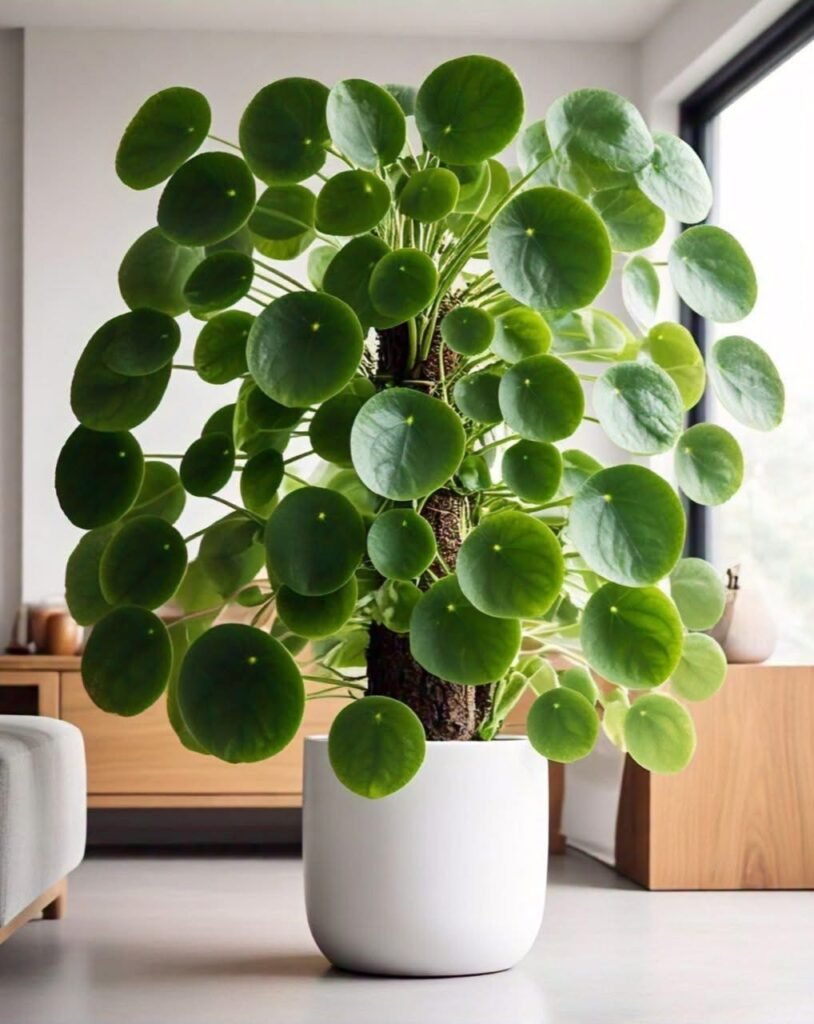
Peperomia – Stores water in its fleshy leaves, making it forgiving if you forget.
Bromeliad – Adds color and thrives with occasional water.
Best Plants for the Over-Waterer
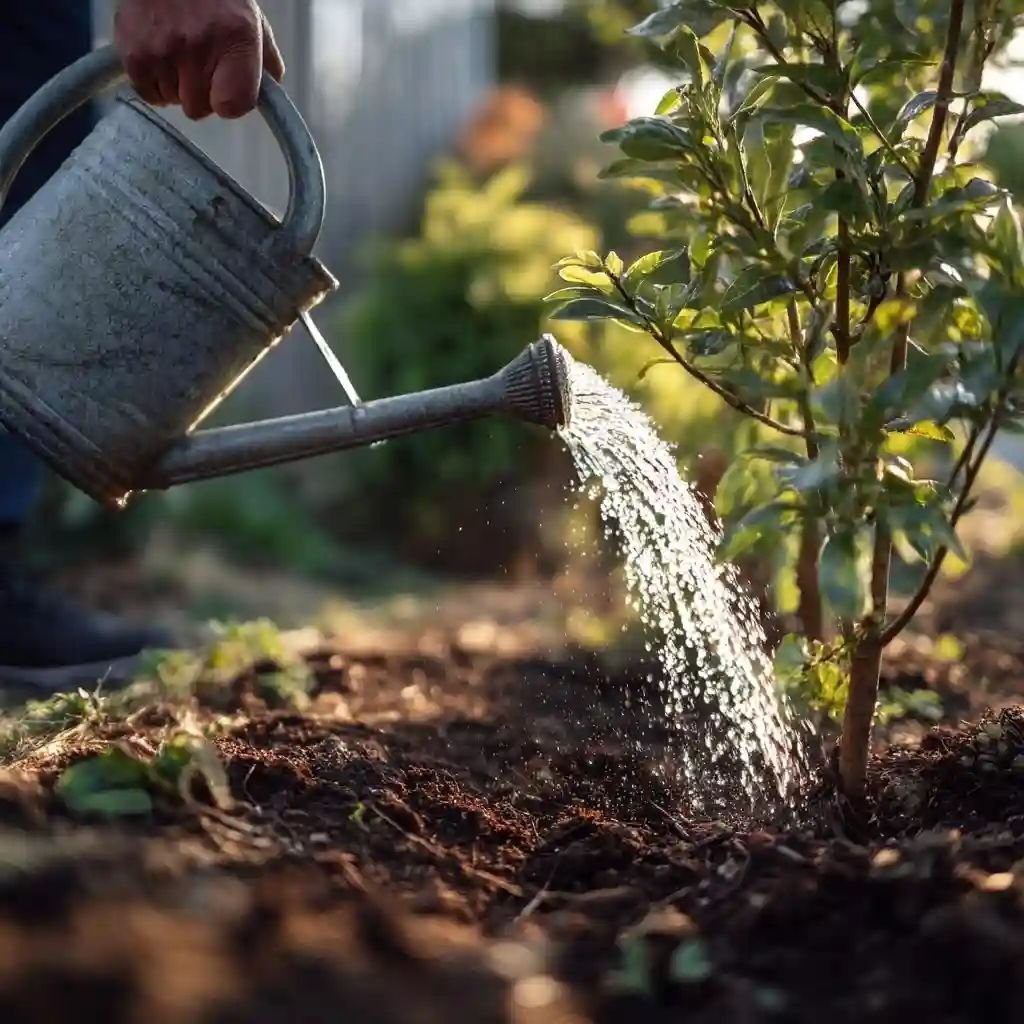
If you tend to “love your plants a little too much” with the watering can, you might be an over-waterer. These plants are better suited to frequent moisture and regular attention. They’ll thrive when paired with plant parents who enjoy daily interaction—but remember, watering isn’t the only way to show love! Grooming, pruning, and propagating can also scratch that green-thumb itch without drowning your plant.
Great Choices for the Over-Waterer:
Carnivorous Plants (Venus Fly Trap, Pitcher Plant, etc.) – Thrive in consistently moist conditions and help control pests naturally.
Wandering Dude (Tradescantia) – Fast-growing and happiest with regular top-ups.
Palm (Areca) – Prefers only the top inch of soil to dry before its next drink.
Peace Lily (Spathiphyllum) – Loves consistent moisture, sometimes even twice a week in warm seasons.
Ficus Audrey (Ficus benghalensis) – A friendlier, less finicky cousin of the Fiddle Leaf Fig.
Shamrock Plant (Oxalis triangularis) – Interactive leaves that open by day and close at night; visibly droops when thirsty.
Bird of Paradise (Strelitzia nicolai) – A sun-loving beauty that appreciates extra hydration.
Listening to Your Plants
Plants may not speak our language, but they communicate clearly if you know what to look for. Paying attention to these signs can help you respond before a small problem becomes a big one:
Browning leaves – Often caused by under-watering, inconsistent watering, or even too much direct sun (sunburn).
Yellowing leaves – A common sign of overwatering or irregular watering patterns.
Leaf drop – Shedding older leaves from the base is normal, but if leaves at the top fall, it’s a distress signal.
Drooping – If leaves feel soft and silky, your plant is thirsty.
Leaf curling – Soft curling leaves usually mean it’s time to water; crispy curling leaves mean it’s best to wait a few more days.
Succulent leaf wrinkling – A clear cue that your succulent is ready for a drink; leaves should stay plump and firm.
Every plant has its own personality—some are chatty, some are stoic. The key is learning which one “speaks” your language and matching your care style to theirs.