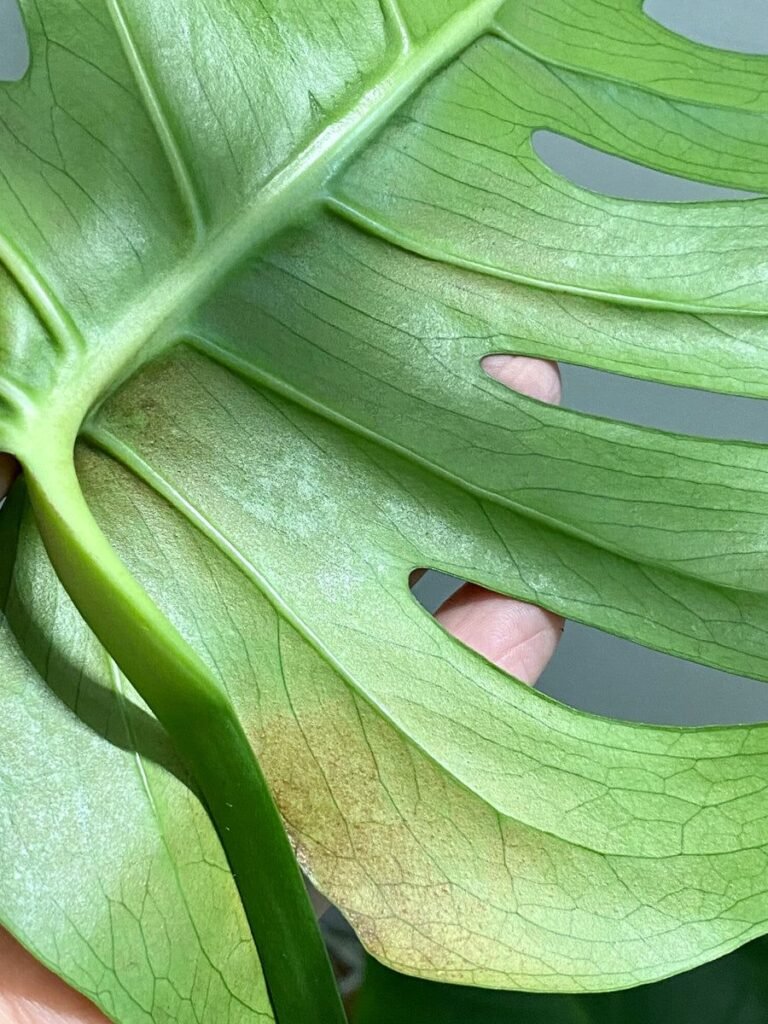
Houseplant Pests
You may have spent hours researching your latest plant purchase or perhaps picked one up on a whim as a thoughtful gift for a friend’s new home. Either way, your green companion is now placed in its ideal spot, thriving under the right conditions for water, light, temperature, humidity, and soil. But have you considered the threat of houseplant pests?
It can feel baffling when pests suddenly appear. Maybe your plants have been flourishing for years without issue, and then—seemingly overnight—you find one covered in unwelcome visitors. They seem to have materialized from nowhere. How could this happen?
These tiny invaders can find their way into your home in several ways. Often, they hitch a ride on newly purchased plants, sometimes so small they’re nearly impossible to see without close inspection. They might be hiding in the soil, tucked away inside a fresh bag of potting mix, or concealed as eggs within the plant’s stems or tissues. Pests can also sneak in through produce, drift in via an open window, or even be carried unknowingly on our clothing.
Common Houseplant Pests
Spider mites: sometimes referred to as red spiders, are extremely small and barely noticeable without magnification. They typically inhabit the undersides of leaves, where they may create fine, protective silk webs. These pests harm plants by piercing cell walls to feed.
Fungus gnats: tiny, dark-colored flies measuring about ⅛ inch in length. They are often attracted to light at night and can be quite bothersome indoors.
Mealybugs: small, white to pale pink, soft-bodied insects equipped with piercing-sucking mouthparts, allowing them to draw sap from plants.
Aphids: minute, pear-shaped insects with soft bodies that feed by extracting moisture and nutrients from leaves.
Scale: minuscule, sap-feeding pests that appear as small, immobile bumps on stems or foliage.
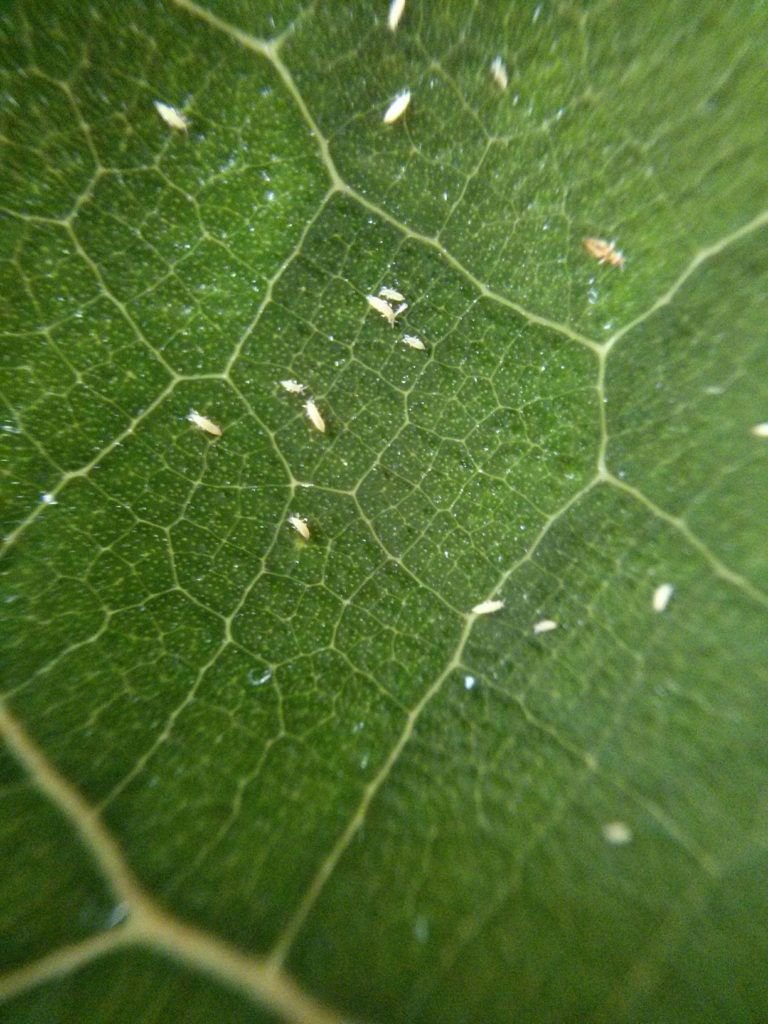
Thrips: slender, straw-toned insects with delicate, fringed wings that are challenging to see without close inspection. They puncture leaves and other plant tissues, then feed on the extracted sap.
Recognizing these frequent houseplant pests is key to choosing the most effective treatment when they appear.
Prevention is Better than Cure
When plants grow outdoors in their natural habitat, they benefit from a variety of natural predators that help keep pests in balance. Once we bring them indoors, however, that protection disappears—so it becomes our job, as plant caregivers, to step in and play the role of those natural defenders. The good news is, with the right habits, we can help our plants flourish while keeping pests under control.
Pest Prevention Tips:
Select a healthy plant: A robust, stress-free plant is far less likely to be affected by pests. Always choose strong, vibrant plants and give extra care to any that show signs of stress or decline—early intervention can make them more resistant to infestations.
Quarantine new arrivals: Keep any new plants separate from the rest of your collection for 2–4 weeks. This gives you time to monitor for hidden pests or diseases before they spread. Continue inspecting them during this period to catch issues early.
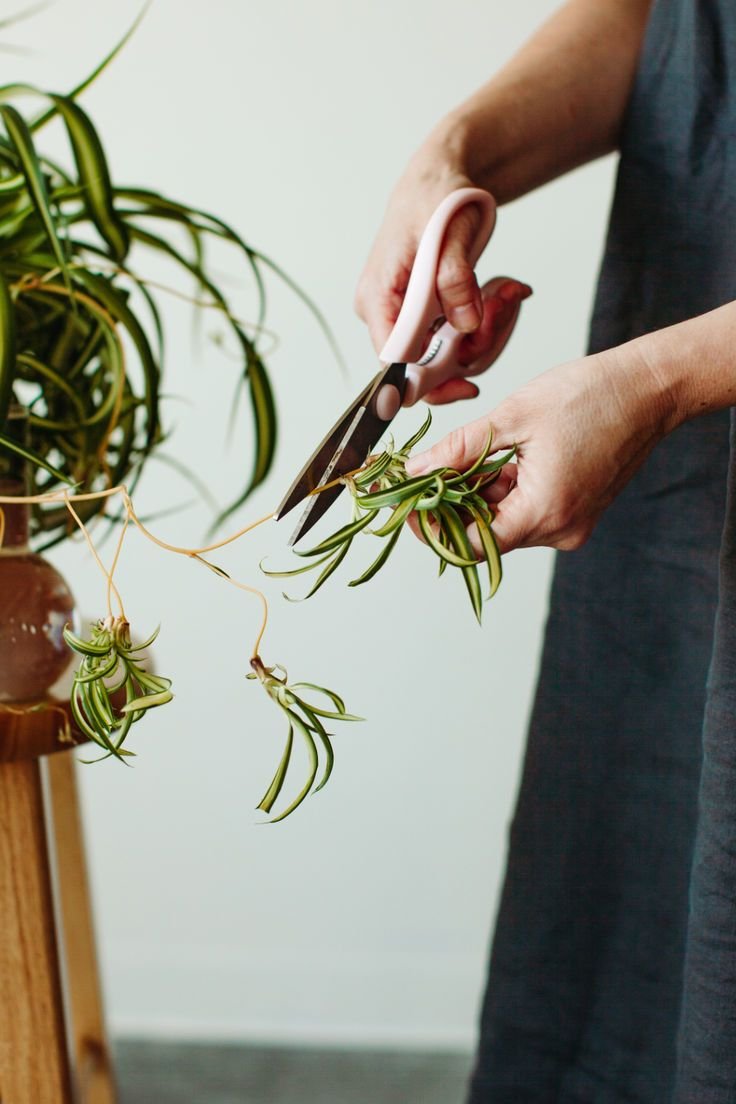
Maintain good care routines: Inspect your plants weekly and gently clean their leaves. Focus on the undersides and where leaves join stems. Use insecticidal soap or spray, or rinse the foliage regularly to discourage pests. If you don’t have insecticidal soap, mix water with a small amount of mild dish soap (Dawn blue dish soap works well) to suffocate bugs. Common household items like 70% isopropyl alcohol or hydrogen peroxide can also be helpful in preventing pests.
Detect problems early: Neglecting regular checks can allow a small problem to grow into a severe infestation. Monitor your plants consistently for any signs of pest activity, as catching them early greatly increases the chances of saving your plant.