Plants
Your simple guide to keeping indoor plants healthy and thriving!
Every plant has its own needs—some enjoy soaking up full sun, while others do better in filtered light. A few love the shade, and some are happiest in bright corners. Water requirements also vary; certain plants need regular drinks, while others prefer drier soil.
For your plants to flourish, focus on the essentials: the right light exposure, balanced temperature, proper humidity, adequate water, nutrient-rich soil, and occasional feeding. By learning your plant’s specific care routine, you can help it grow strong and last for years. In turn, your plants will reward you by freshening the air, adding oxygen, and naturally filtering out indoor pollutants.
Indoor greenery not only beautifies your space but also brings a sense of calm and connection to nature. No matter how limited your space is, there’s always room for a plant or two. Choose species that suit your environment and your lifestyle. If you’re unsure about their needs, research their care online or ask for tips from your local plant expert.
Water
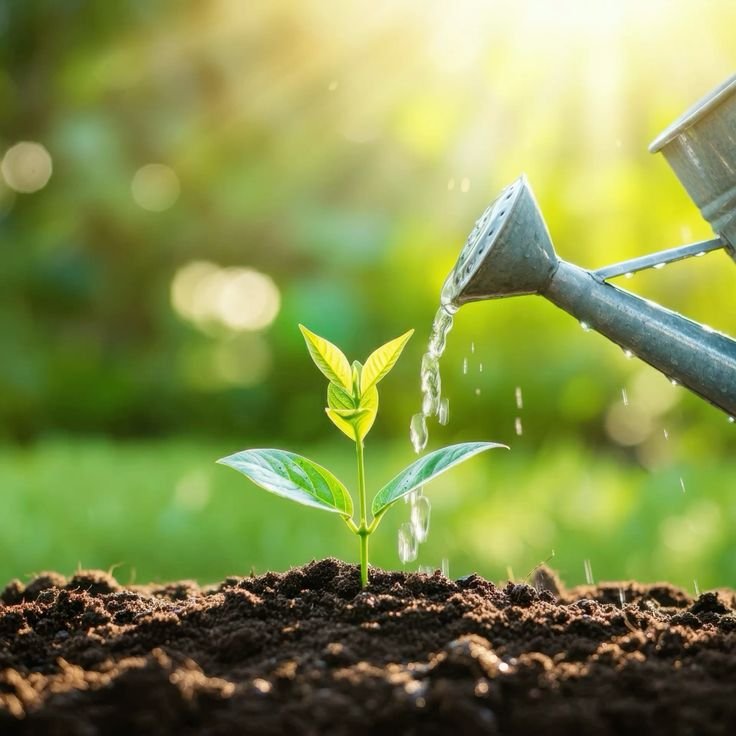
Over-caring for houseplants often leads to overwatering—a mistake that’s one of the most common causes of plant death. While it might feel like giving extra love, too much water can harm roots and cause them to rot. In most cases, it’s safer to give slightly less water than too much.
Generally, indoor plants need watering when the top 1–2 inches of soil feels dry to the touch. Some varieties like their soil consistently moist and should be watered as soon as the surface dries, while others prefer a dry spell between waterings and may only need it once every couple of weeks—especially during the winter when light levels drop. Take time to learn each plant’s needs within the first month of caring for it. How often you water will depend on its location, light exposure, room humidity, and temperature.
Light
Light is essential for a plant’s survival. Through photosynthesis, plants use sunlight or artificial light to create their own food. Without enough light, plants become weak and vulnerable to pests, diseases, and early decline. On the other hand, too much intense light can burn leaves and cause stress.
Compared to the outdoors, even the brightest indoor space can seem dim to a plant. The deepest shade outside is still brighter than most indoor light. Indoor lighting for plants generally falls into three main categories:
Bright light: Direct sunlight for over 5 hours daily, usually near west- or south-facing windows within 6 feet of the glass. These plants need at least 5–6 hours of strong light each day.
Medium light: Direct sun for under 5 hours, such as east- or southeast-facing windows, typically 10–15 feet from a window.
Low light: Less than 3 hours of direct sunlight, often found near north-facing windows or shaded corners.
Direction of Light
The sun’s path changes from east in the morning to west in the evening, and seasonal shifts alter both the angle and amount of sunlight you receive. Higher floors usually get stronger light compared to ground-level spaces. As the seasons change, you may need to move plants to sunnier spots or use artificial lighting to keep them healthy.
Light Management Tips
Place hanging plants near windows to maximize available light. Mirrors can help reflect light for low-light plants, though they’re not ideal for species that need intense brightness. Painting walls white or using light-colored backgrounds can increase reflected light, and adding grow lights can provide an extra boost when needed.
Temperature & Humidity
Most indoor plants thrive in temperatures between 18°C and 28°C. When temperatures drop below 18°C, growth slows down; below 14°C, plants may suffer damage; and below 11°C, many will not survive.
Keep plants away from heating vents, radiators, and cold, drafty windows to avoid leaf burn or stress. If your windows let in cold air, use sealing tape, caulk, or heavy curtains to block drafts. Cold damage often looks like overwatering—leaves may turn yellow or brown, become limp, or feel soft. Plants placed near heat sources will also need more frequent watering due to faster evaporation.
Humidity refers to the amount of water vapor present in the air at a given temperature. Warmer air can hold more moisture, but spraying leaves with water (“spritzing”) doesn’t meaningfully raise humidity and can encourage fungal problems—though some plants, like epiphytes (ferns, bromeliads, air plants, orchids), do benefit from occasional misting. The most effective ways to boost humidity are using a humidifier or placing pots on trays filled with water and pebbles. Different plants have different humidity requirements, so it’s important to know what your specific plants prefer.
Nutrients & Soil
Most plants benefit from fertilizer during their active growing season, but in autumn and winter, growth slows and they enter a resting phase—this is the time to stop feeding and reduce watering. Not every plant requires extra fertilizer, so when in doubt, research your plant’s needs or use half the recommended dose of a balanced, all-purpose formula.
Soil is the main source of the essential elements plants need to grow. The three primary nutrients are nitrogen (N), phosphorus (P), and potassium (K), while calcium (Ca), magnesium (Mg), and sulfur (S) are also important for overall health.
Nitrogen encourages leafy growth and overall plant development.
Phosphorus supports strong root systems, promotes early growth, and helps plants convert sunlight into usable energy.
Potassium boosts plant strength, disease resistance, and improves the quality of flowers and fruits.
Calcium is essential for healthy roots, leaf formation, and new growth.
Magnesium forms part of chlorophyll, which is necessary for photosynthesis.
Sulfur plays a role in protein formation, energy production, and contributes to the flavor and aroma of edible plants.
The right soil mix can make the difference between a thriving plant and a struggling one. Some species prefer fast-draining soil, while others do best in moisture-retentive mixes. Learn what your plant type needs and match the soil accordingly. If you’re unsure, a high-quality, well-draining potting mix is a safe choice for most indoor plants.
Pots, Planters & Repotting
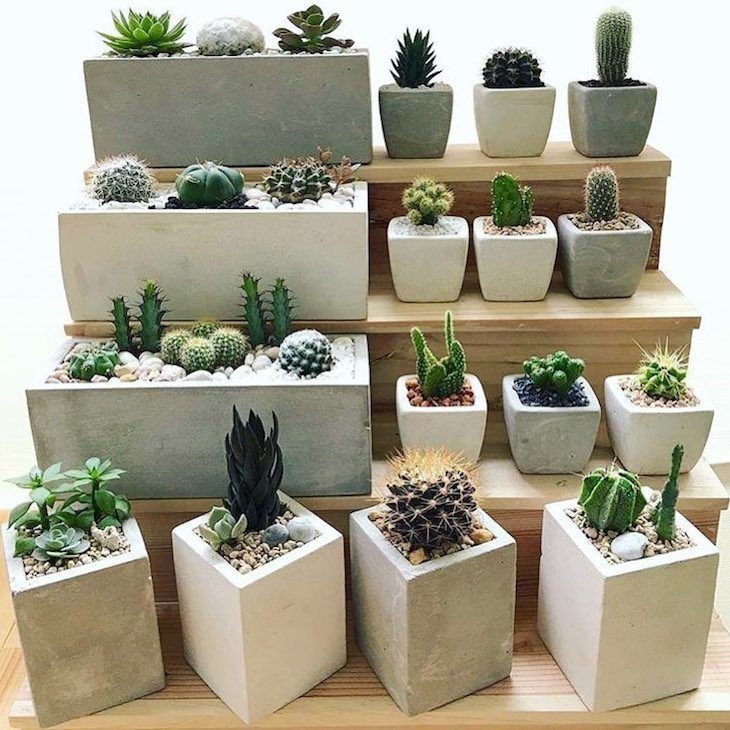
To avoid overwatering and prevent plants from sitting in excess moisture (“wet feet”), choose pots or planters with proper drainage holes. Many come with matching saucers, but you can also use clear plastic trays or any container with a rim to catch water. Elevating pots on a layer of pebbles can also help keep roots out of standing water.
If you’re using a pot without drainage holes, placing 2–3 inches of pebbles at the bottom can reduce the risk of waterlogging—though this method is not ideal for beginners. Another option is to place a smaller pot (with drainage) inside a decorative outer pot without holes. If space allows, fill the gap between the two pots with pebbles. When watering, remove the inner pot, water thoroughly, allow it to drain, and then return it to the outer pot.
Repotting
The best time to repot is late winter or very early spring, when plants are either dormant or just starting to wake up from their rest period. However, if necessary, repotting can be done at any time of year.
Signs that a plant needs repotting include roots emerging from the drainage holes, bulges in flexible plastic pots, or water passing straight through the soil without soaking in. When upgrading to a new pot, choose one that’s only 1–2 inches wider than the current one. Going too large can leave unused soil pockets, leading to moisture buildup and root rot. For bigger floor plants, never increase pot size by more than 4 inches in diameter.
Additional Tidbits
Bringing Plants Home
Before adding a new plant to your collection, carefully check it for pests and remove any damaged leaves. Treat the plant with insecticidal soap or gently wash it using a mild soap-and-water solution (such as a small amount of dish soap mixed with water). Avoid washing plants with velvety leaves, as it can harm their delicate surfaces. Keep new plants in a separate location for one to two weeks, checking every few days to ensure they remain pest-free before placing them near other houseplants.
Toxicity
Know whether your plant is toxic to pets or children. If a plant is unsafe, position it in a spot where curious hands or paws can’t reach it.
Keeping Plants Clean
Regularly inspect and prune your plants to remove dead, damaged, or heavily infested parts. Dust leaves using a damp or dry cloth, and if pests are present, clean and treat promptly. A 10% lemon juice or vinegar solution in water can help remove calcium deposits from leaves. Don’t forget to wipe pot edges and the surrounding area to deter pests, and keep windows clean to maximize light.
Color Fading
Some plants produce colorful pigments when exposed to bright light, but these pigments require significant energy to maintain. If a plant isn’t getting enough light, it may lose its vibrant colors, and variegated leaves may revert to green. Continued lack of light will weaken the plant and lead to leaf drop.
Phototropism
Plants naturally grow toward light sources, which can cause stems to stretch and appear leggy. This isn’t harmful, but it signals that the plant may need more light. Rotate plants regularly to promote balanced growth on all sides.